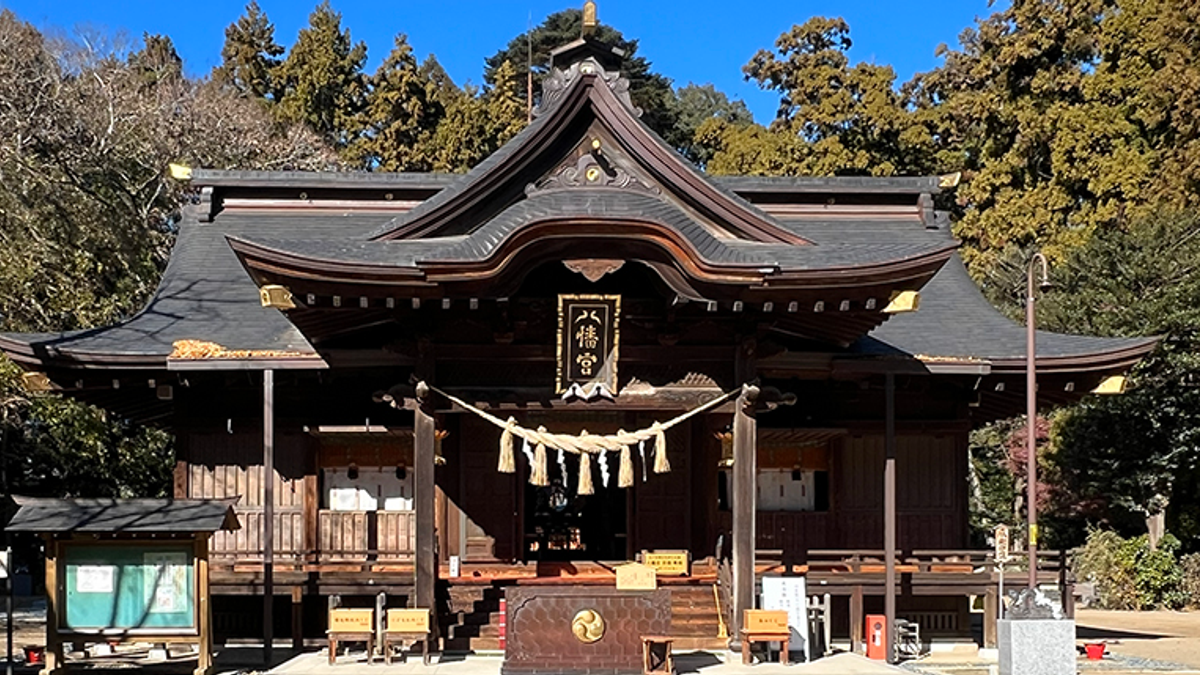
Mito Hachiman Shrine, located in Mito City, Ibaraki Prefecture, is a shrine where historical architecture and rich nature coexist harmoniously. Here, you can experience Japan's history, spirituality, and respect for nature all at once, with its designated Important Cultural Properties and ancient trees protected as natural monuments. It's a place where international visitors can truly immerse themselves in the depth of Japanese culture.
The Beginning and History of Mito Hachiman Shrine
Mito Hachiman Shrine is said to have been established in the first year of the Bunroku era (1592). The Hachiman faith, which prays for military success and the peace of the nation, spread throughout various regions of Japan, and Mito Hachiman Shrine has long been a central place of worship for the people in this area. During the Edo period, it had strong ties with the Mito Domain, and thanks to being spared from the ravages of war, valuable buildings and cultural assets have been preserved and cherished to this day.
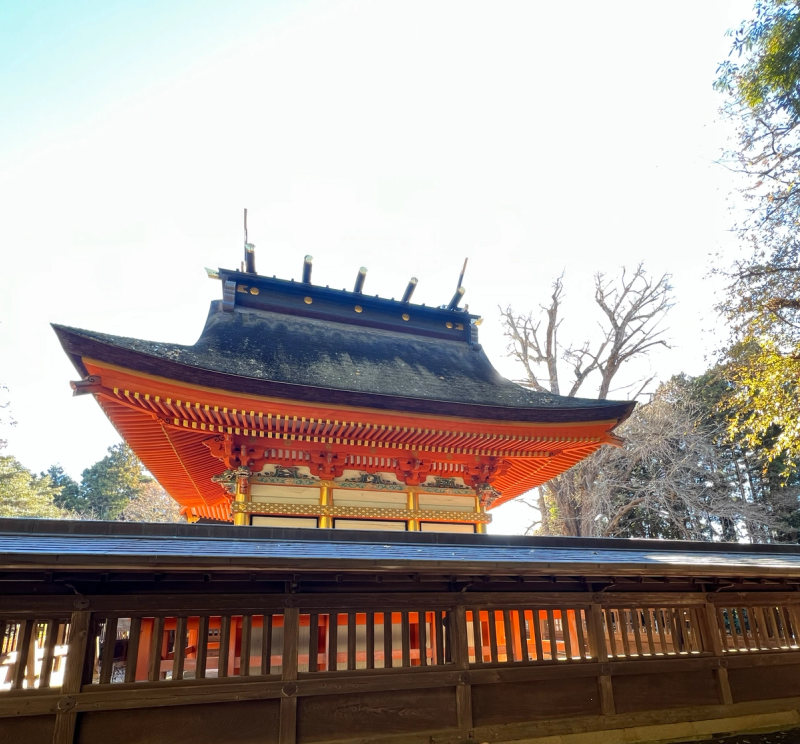
The shrine buildings designated as Important Cultural Properties of Japan.
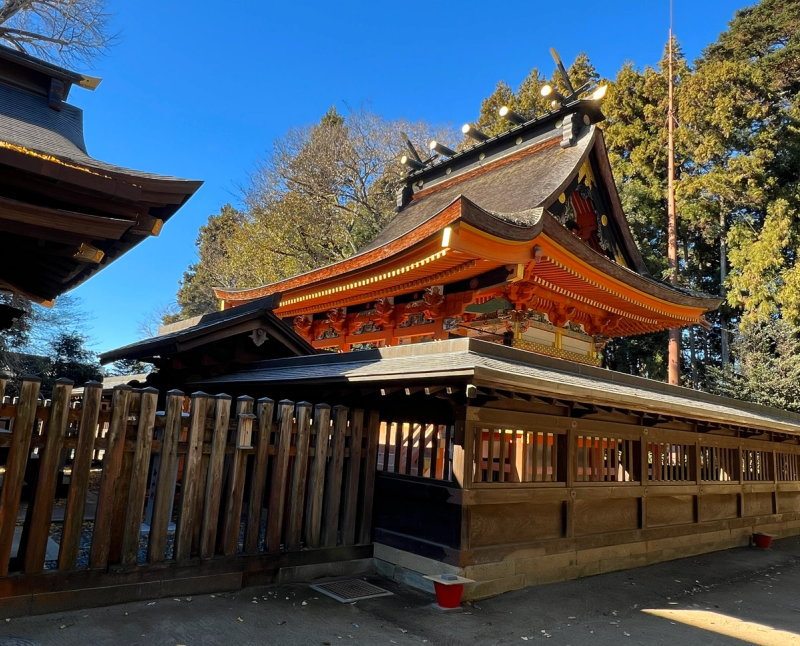
One of the first things to catch your eye on the grounds is the shrine building, designated as an Important Cultural Property of Japan. It retains a strong influence of the Azuchi-Momoyama architectural style, and the intricate carvings and structure showcase the high level of craftsmanship from that era. The decorations are not overly extravagant, exuding a sense of strength and elegance, allowing you to experience traditional Japanese architecture up close. This building itself is a valuable cultural heritage that tells the story of history.
The impressive sight of the natural monument, the Ginkgo Tree with its leaves.
The symbol of Mito Hachiman Shrine is the Ohatsuki Ginkgo, a nationally designated natural monument. This tree is over 800 years old and stands more than 40 meters tall, exuding an overwhelming presence in the shrine grounds. It possesses the rare characteristic of bearing fruit on its leaves, making it a sight that can only be seen in a few select places in Japan. Standing before this ancient giant, you can intuitively grasp why the Japanese have revered nature as something sacred throughout history.
The shrine grounds change their appearance with the seasons.
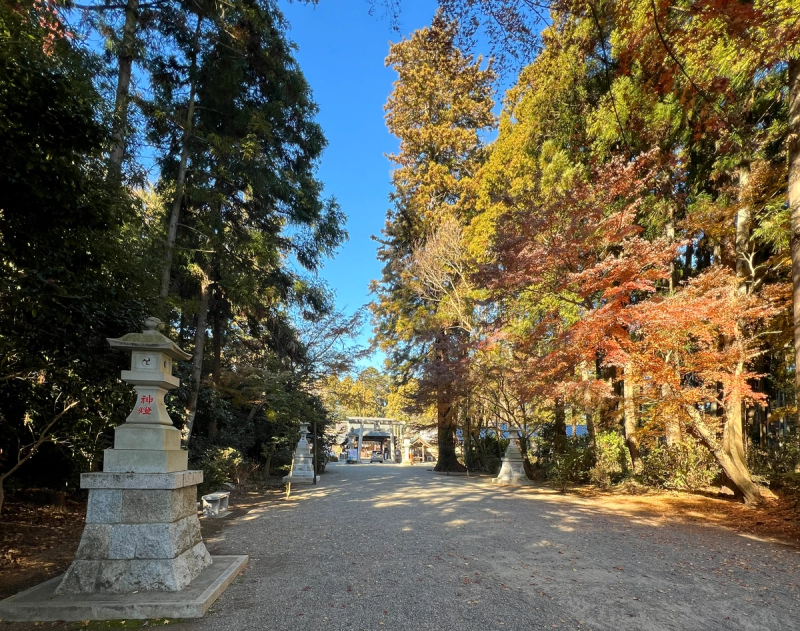
Mito Hachiman Shrine showcases a different charm with each season. From spring to early summer, hydrangeas bloom beautifully, and in autumn, the leaves of the ginkgo trees turn a stunning golden color. Experiencing these natural changes within the shrine grounds is a unique aspect of Japanese culture. We also recommend taking your time to stroll around and enjoy photography!
Flow of Worship and How to Spend Your Time
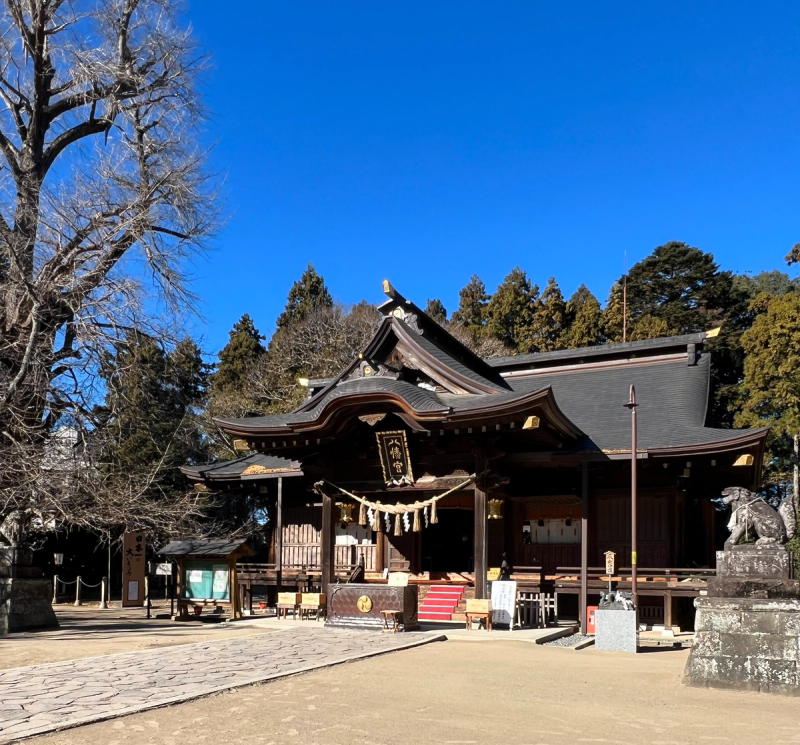
The way to worship here follows the basic customs common to shrines in Japan. After passing through the torii gate, cleanse your hands and mouth at the temizuya, and then quietly join your hands in prayer in front of the main hall. It's not only about conveying your wishes but also expressing gratitude for a safe journey, which is a typical style of worship in Japan. As you stroll through the grounds, take your time to appreciate each shrine, cultural asset, and giant tree, allowing yourself to enjoy a peaceful experience that goes beyond mere sightseeing.
A place to learn about Japan's beliefs and views on nature.
Mito Hachiman Shrine is not only a place for prayer but also a site where you can learn about the Japanese perspective on nature and history. The coexistence of man-made structures and nature that has thrived for hundreds of years in the same space is one of the significant features of Japanese culture.
Enjoying Alongside Nearby Attractions
Mito Hachiman Shrine offers great access to historical spots within the city, making it a perfect starting point for visiting attractions like Kairakuen Garden and Kodokan. It’s an excellent way to immerse yourself in the rich history and culture of Mito throughout the day.
A worship experience that allows you to feel both history and nature at the same time.
Mito Hachiman Shrine may not be a flashy tourist spot, but it offers a genuine sense of history through its architecture and ancient trees. For international visitors looking to spend some quiet time immersed in Japan's cultural heritage and natural monuments, this place is truly valuable. When you visit Mito, be sure to stop by Mito Hachiman Shrine and experience Japan's history and spirituality through its buildings and nature.