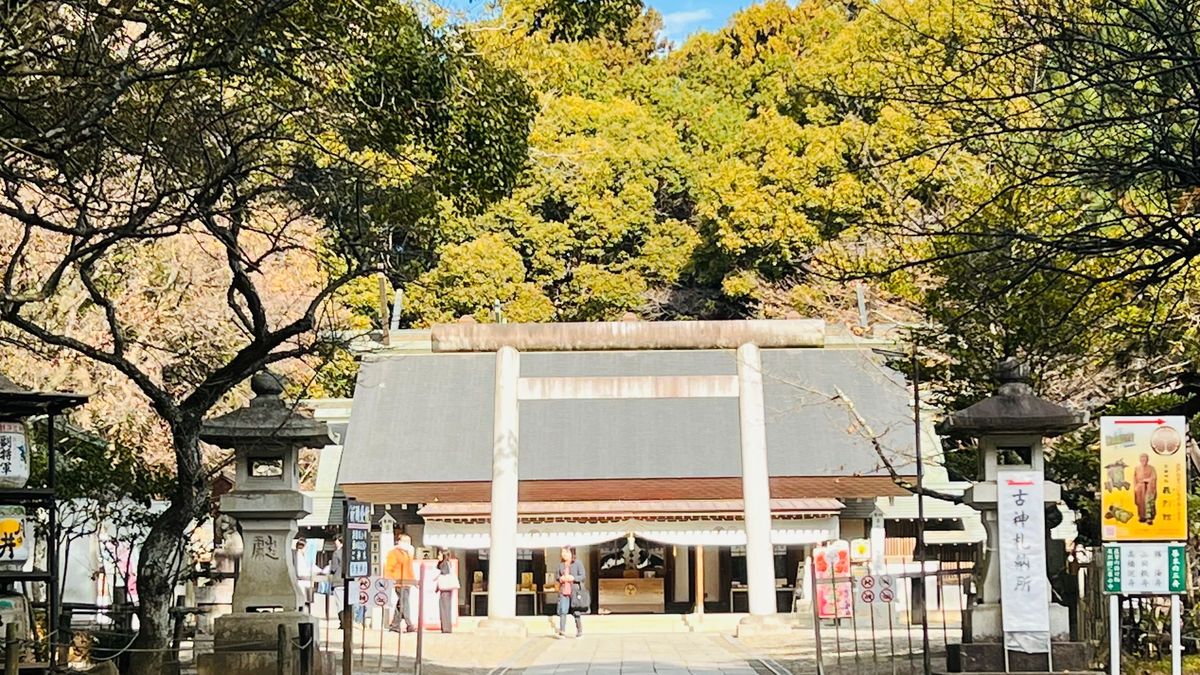
Mito City in Ibaraki Prefecture is a place where Japan's history and culture come alive. At its heart lies the Tokiwajinja Shrine, known for enshrining notable figures such as Tokugawa Mitsukuni, famously known as "Mito Komon" from Japanese historical dramas, as well as Tokugawa Nariaki, a renowned lord from the late Edo period. Locally referred to as "Tokiwa-san," this shrine is cherished by history enthusiasts and worshippers alike. Through your visit, you can immerse yourself in the culture of the Edo period and the prayers of its people.
Who is Tokugawa Mitsukuni (Mito Komon)?
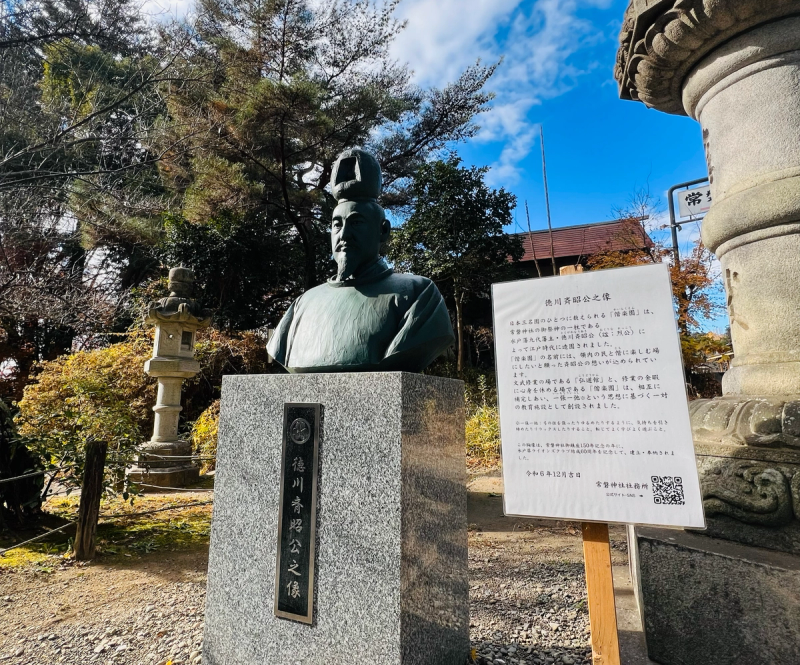
"Mito Komon" is a well-known character from Japanese period drama, based on the historical figure Tokugawa Mitsukuni. Mitsukuni was the lord of the Mito Domain during the early Edo period and is famous for his efforts in compiling the historical work "Dainihonshi" (The Great History of Japan). With his exceptional knowledge and warm personality, he was beloved by the common people. The affectionate nickname "Komon" originates from an ancient Chinese official title and was also used in Japan as an alternate name for the Chūnagon, a high-ranking court position.
At Jōban Shrine, both Lord Mitsukuni and the 9th feudal lord, Tokugawa Nariaki, are enshrined as deities. Lord Nariaki dedicated himself to reforming the domain's governance and promoting education during the late Edo period, playing a significant role in shaping the foundations of modern Japan.
History and Highlights of Jōban Shrine
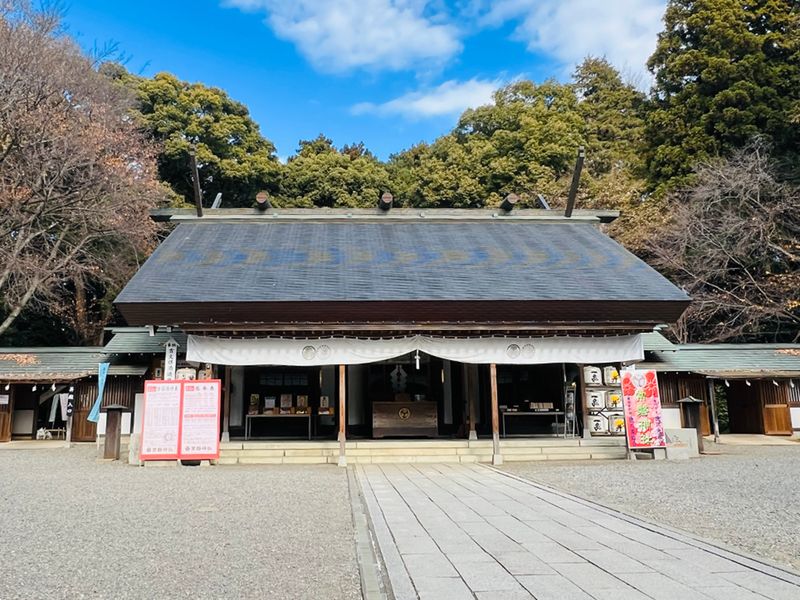
The history of Tokiwajinja Shrine dates back to the Meiji era. In 1873, people wishing to honor the virtues of Lord Mitsukuni and Lord Naosuke built a small shrine in a corner of Kairakuen Garden. The following year, by imperial decree from Emperor Meiji, the shrine was officially named "Tokiwajinja," and the current main hall was constructed. Although it was once destroyed by war, it was rebuilt in 1958 and has remained as it is today.
The grounds feature many attractions, including the Noh Theater and the "Giretsukan," which displays historical materials. Among the exhibits, the large battlefield drum and various items related to Mito studies are particularly famous, telling the story of the history of the Mito Domain.
How to Worship and Benefits
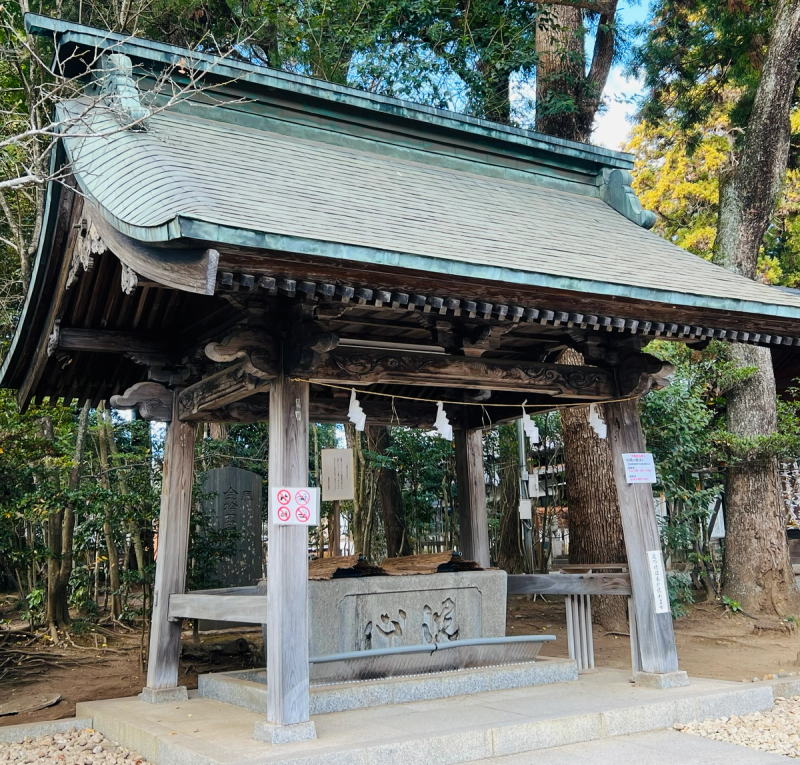
The basic flow of worship is similar to that of other shrines: you pass through the torii gate, purify your hands and mouth at the temizuya, and then quietly join your hands in prayer in front of the main hall. Here, you can expect a wide range of blessings, including good fortune, academic success, disaster prevention, traffic safety, and prosperity in business.
Additionally, there are touch panel information boards available in multiple languages on the temple grounds, making it easy to understand the steps for worship. Even those visiting a Japanese shrine for the first time can feel comfortable and at ease during their visit.
Amulets and Goshuin (Aoi crest is popular)
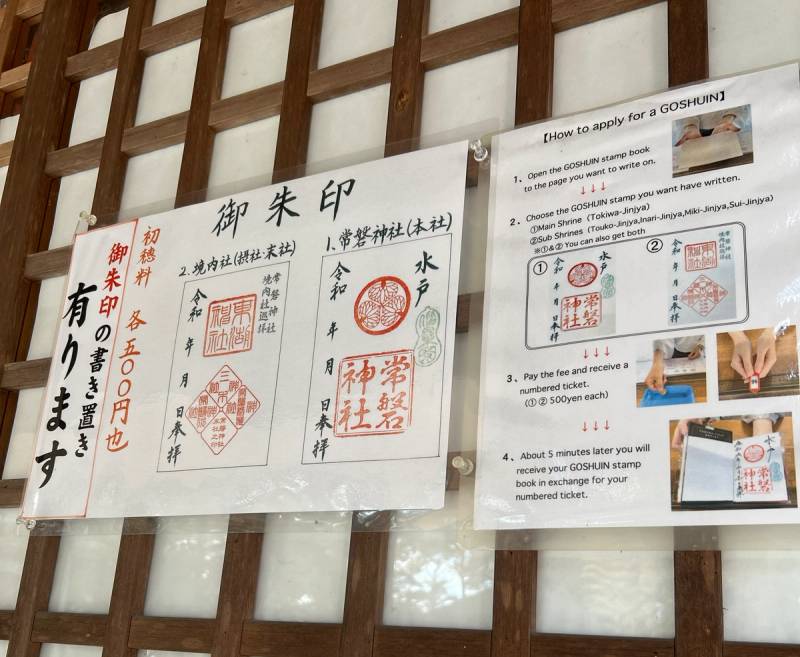
At the Tokiwajinja Shrine's gift shop, you can receive amulets and goshuin (temple stamps) as mementos of your visit. The goshuin featuring the "Aoi Mon," the family crest of the Tokugawa clan, is particularly popular and has even been featured in magazines. Since the goshuin can be recorded in your goshuincho (stamp book) as proof of your visit, it makes for a wonderful memory of your shrine-hopping journey.
Omamori, or protective charms, come in various themes such as health, safety, academic success, and prosperous business. You can choose one that aligns with your wishes or those of your loved ones, making them a perfect souvenir that embodies the essence of Japan.
Along with Kairakuen and the surrounding historical sites
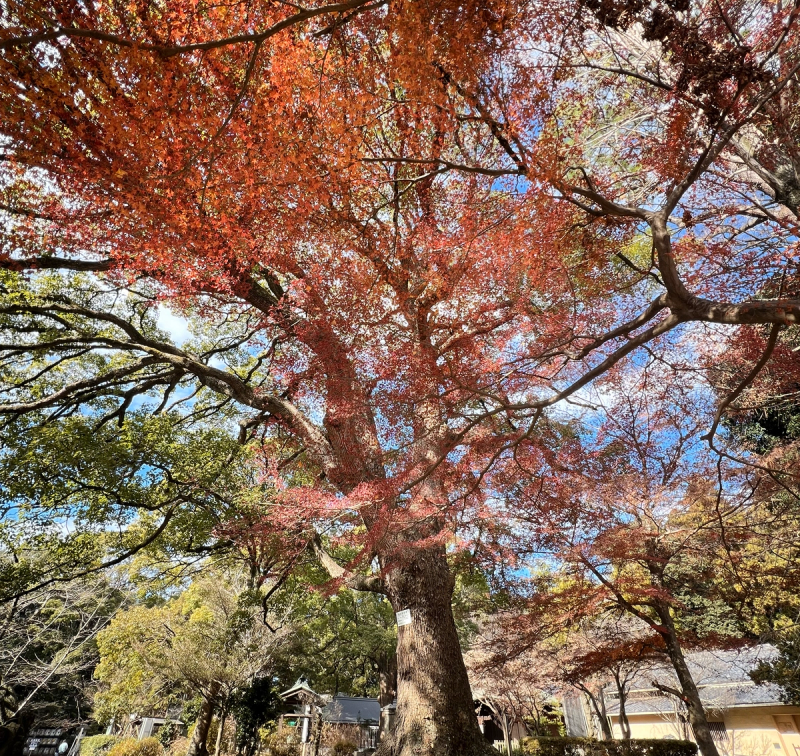
Tokiwa Shrine is adjacent to Kairakuen, one of Japan's three great gardens, making it a popular tourist area where you can enjoy seasonal landscapes throughout the year. During the spring plum blossom season, it attracts many worshippers and visitors, but you can also enjoy a peaceful visit and stroll through the gardens in other seasons.
Additionally, near the shrine, you can find historical spots such as Kōdōkan and the ruins of Mito Castle, allowing you to experience the history of the Edo period as you stroll around. Visiting these sites along with a walk around Kairakuen will greatly enhance your travel experience.
Recommended Highlights to Visit in Mito for Sightseeing
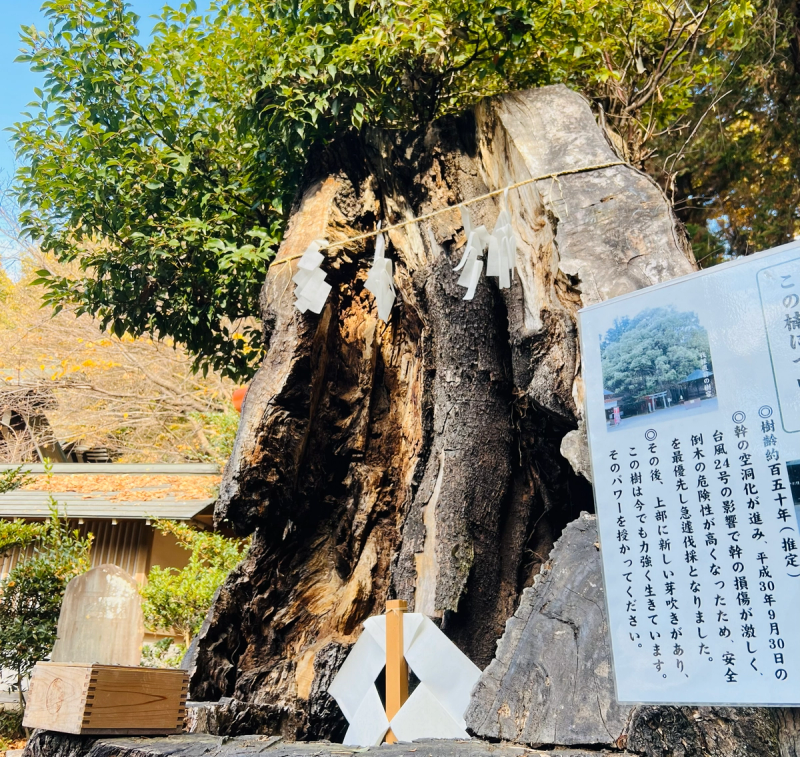
Jōban Shrine is a place deeply connected to Mito Kōmon (Tokugawa Mitsukuni), a well-known figure in Japanese historical dramas. For those interested in Japanese culture and history, visiting the shrine offers a chance to experience the spirituality of the Edo period and the beliefs of its people. Additionally, strolling through the serene grounds of the shrine and the surrounding Japanese gardens provides a peaceful respite amidst a busy travel itinerary.
When you visit Ibaraki, be sure to stop by the Tokiwajinja Shrine. Experience Japan's rich history and cultural faith as you pay your respects. It will surely become an unforgettable memory of your trip!