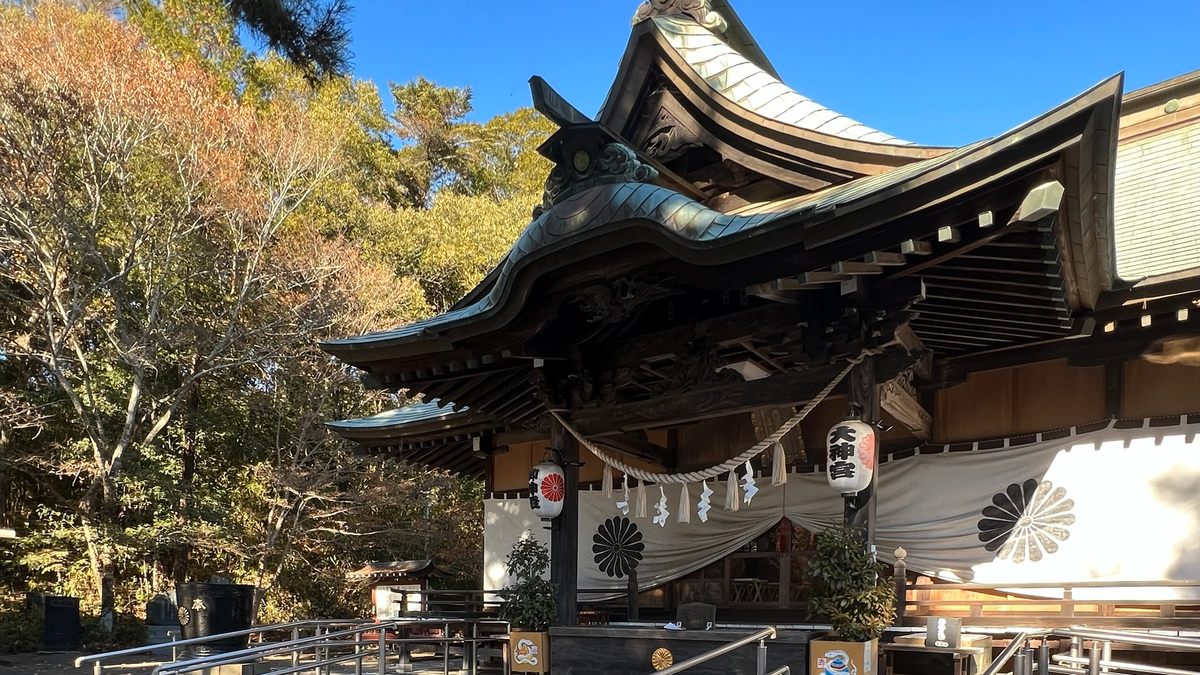
Japan is home to countless shrines, but among them, there are some that hold a special significance. One such shrine is dedicated to Amaterasu Omikami, the supreme deity in Japanese mythology. While the Ise Grand Shrine in Mie Prefecture is known as the head shrine, there is also a historic shrine in Ibaraki Prefecture that is affectionately referred to as "O-Ise-sama." This is the Daijingu Shrine, located in Tokai Village, Nakagawa District.
The reason why Omiya Shrine is referred to as the "Ise Shrine of Ibaraki"
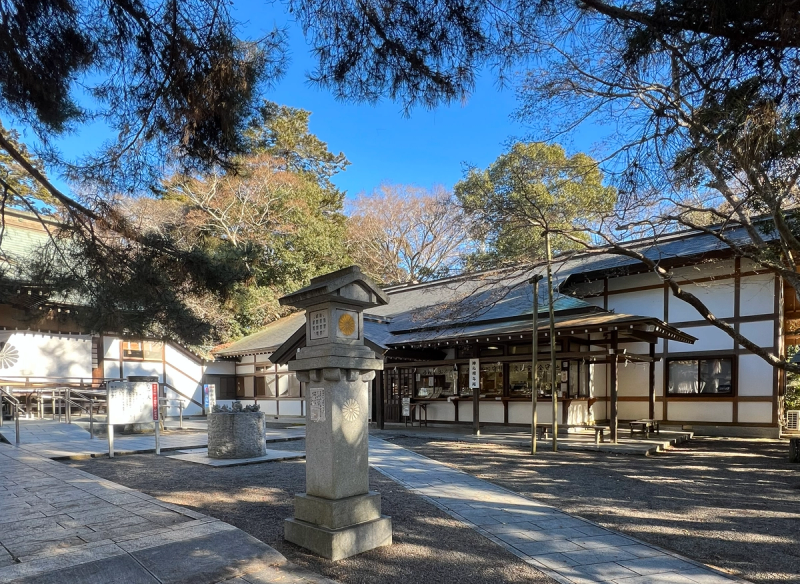
The Omiya Shrine was established to enshrine a divine spirit of Amaterasu Omikami, just like the Ise Jingu Shrine. Due to its high status, the local people have affectionately referred to it as "Ibaraki's Ise-sama" for many years.
In Japan, there is a cultural tradition of referring to shrines closely associated with Ise Jingu as "O-Ise-sama," and Daijingu has also been cherished as an important place of worship connected to Ise Jingu.
What kind of deity is Amaterasu Omikami, the supreme deity?
Amaterasu Omikami is the goddess of the sun in Japanese mythology, revered as the one who illuminates and guides the land and people of Japan. She is also considered the ancestral deity of the imperial family and is worshipped as the most esteemed deity in Shinto. At the Grand Shrine, Amaterasu Omikami is enshrined as the principal deity, welcoming many visitors who come to pray for daily peace and prosperity.
The Deities Enshrined at Ojin Shrine and Their Blessings
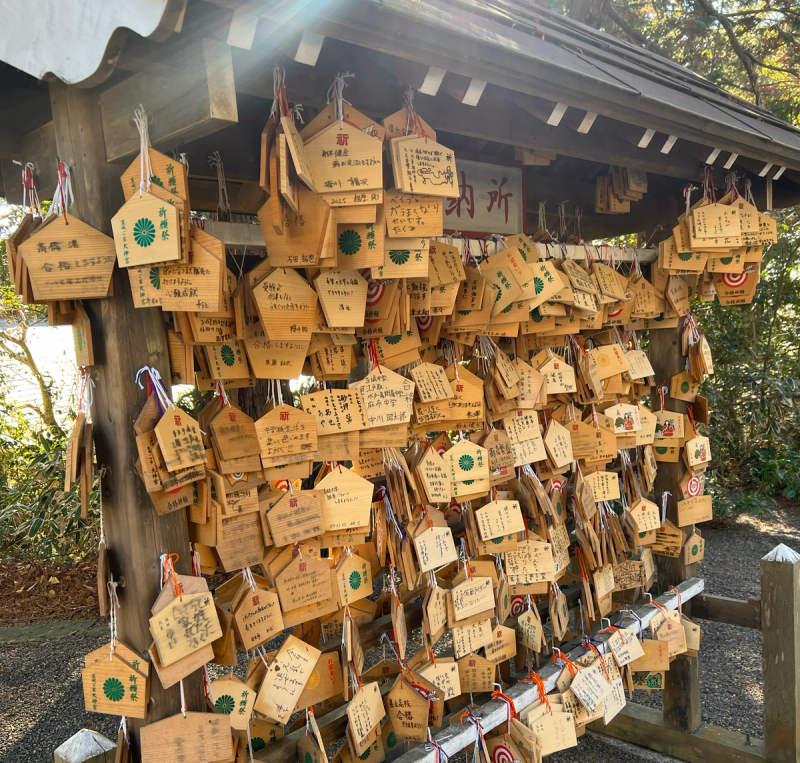
At Omiya Shrine, in addition to Amaterasu Omikami, you can also find enshrined deities such as Amenotadikaraonokami and Yorozuhatotoyoakitsuhime.
The deities that symbolize strength and bring prosperity and harmony are all present here, offering blessings for a wide range of needs such as family safety, long health, traffic safety, business success, and fulfilling good relationships. For international tourists, this belief is easily understood as it represents a "god who watches over all aspects of life."
Take a stroll through the tranquil and serene grounds of Omiya Shrine.
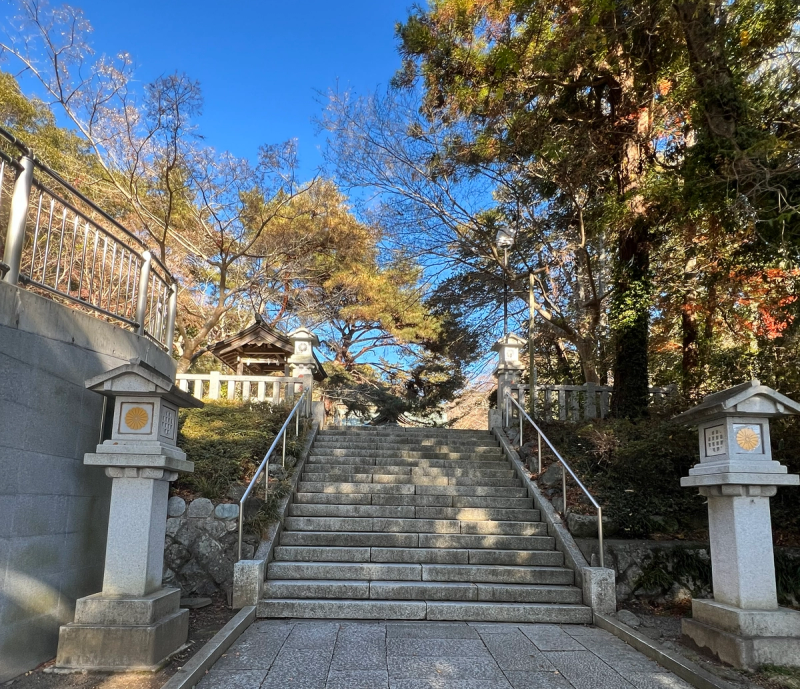
The grounds of Omiya Shrine offer a serene atmosphere, quite different from the bustling tourist shrines. As you pass through the torii gate, you'll find a pathway surrounded by nature, allowing you to experience a sense of tranquility away from the everyday hustle and bustle.
The main hall of the shrine features traditional shrine architecture, and the quiet moments spent in prayer offer a unique opportunity to experience Japan's spiritual culture.
A worry-free shrine visit experience for first-timers.
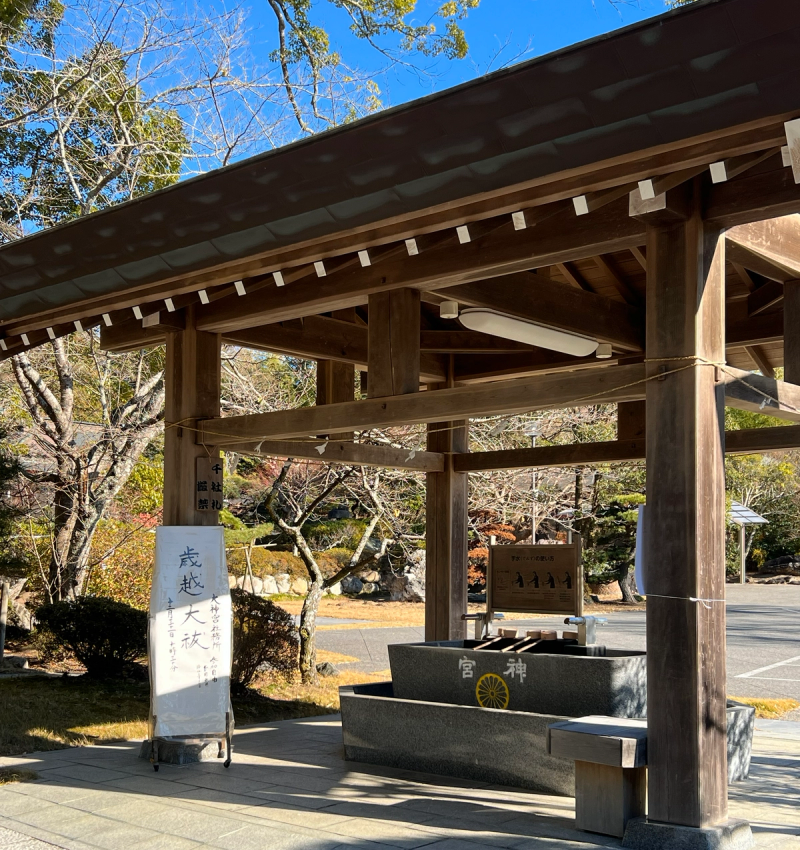
Even first-time international travelers can visit Omiya Shrine with confidence. Passing through the torii gate, purifying your hands and mouth at the temizuya, and quietly praying at the main hall are practices common throughout Japan. There are no strict rules; what matters most is to calm your mind and express your gratitude and wishes.
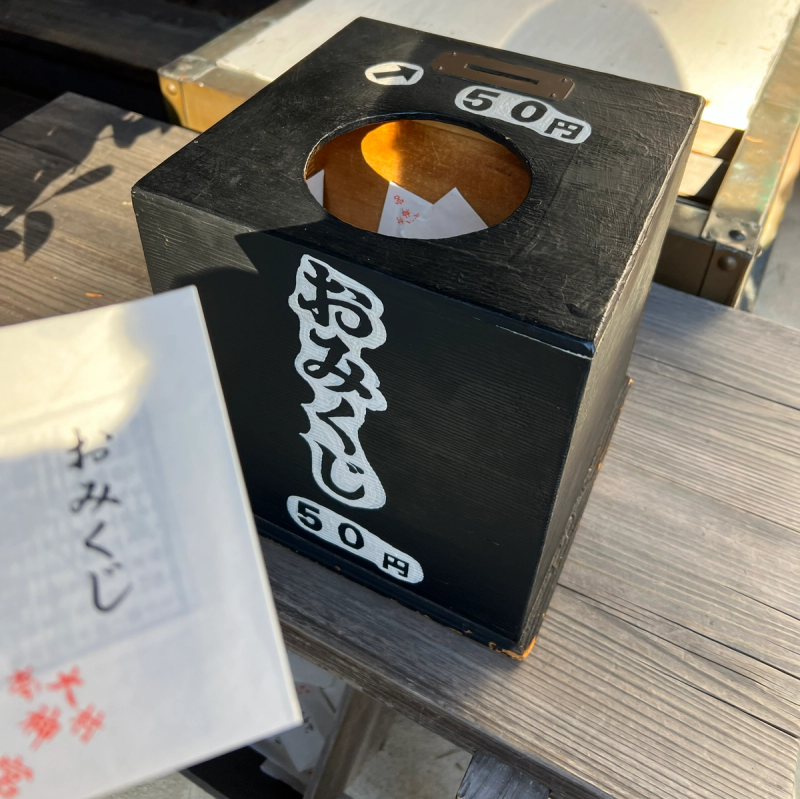
If you visit a shrine, be sure to try your hand at "omikuji." Omikuji are fortune-telling papers that contain short messages about your health, work, and relationships. The results are indicated by terms like "daikichi" (great blessing), "kichi" (blessing), and "kyou" (curse). Good results can be taken home, while less favorable ones are traditionally tied to trees or designated areas on the shrine grounds to leave behind any misfortune. In Japan, omikuji are not seen as definitive predictions of the future, but rather as enjoyable hints for your mindset moving forward.
Discover Japanese culture through the rituals and prayers at O-jingu Shrine.
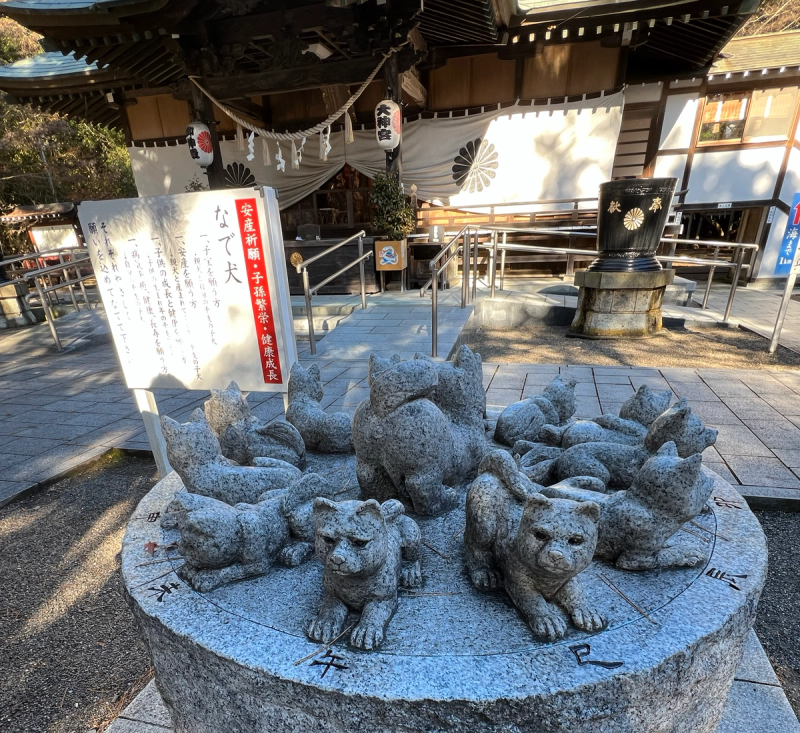
At Oogamijinja Shrine, seasonal rituals and festivals are held throughout the year. Through events such as the New Year's visit, Setsubun, and New Year's Eve celebrations, you can experience how the Japanese cherish the milestones of the year.
Additionally, if you wish, you can receive a formal prayer, allowing you to gain a deeper understanding of the "form of prayer" in Japanese Shinto.
A place to connect with the spirit of Ise Jingu.
Ise Jingu is a special place for the Japanese, but many people find it difficult to visit due to distance and time constraints. Omiya Jingu has long been revered as a place where those individuals can connect spiritually with Ise Jingu.
Being able to pay respects to Japan's highest deity while in Ibaraki is a valuable experience for international tourists.
A Moment to Experience Japanese Faith in Tokai Village
Ojinja Shrine may not be a major tourist destination, but it is a place that has been closely connected to the faith and daily lives of the Japanese people. Spending time in quiet contemplation within its serene grounds can provide a wonderful opportunity to gain a deeper understanding of Japanese culture.
When you visit Ibaraki, be sure to stop by the "Ibaraki's Ise Shrine," Omiya Jingu, to pay your respects to Amaterasu Omikami and immerse yourself in Japan's spiritual culture. While it may not be flashy, a memorable experience is surely waiting for you.