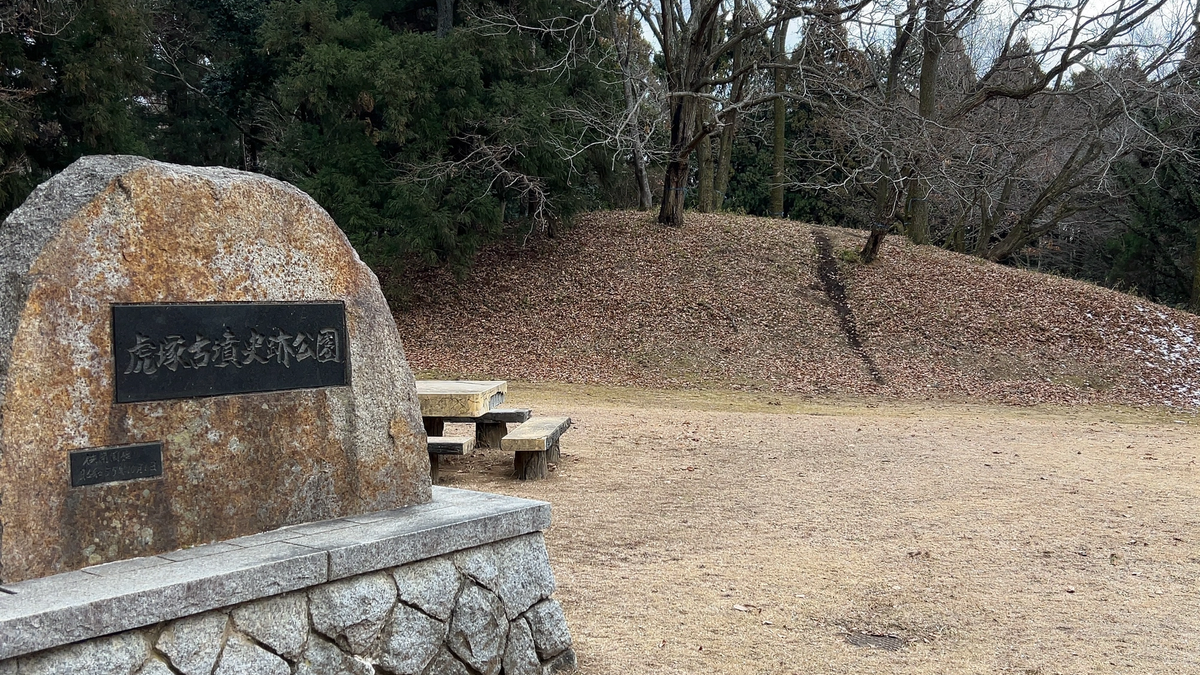
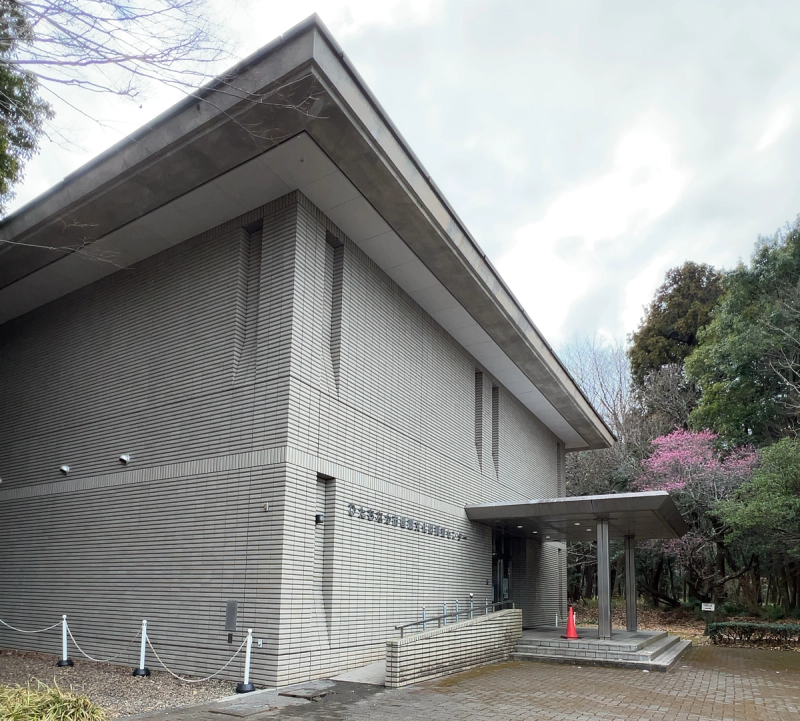
Hitachinaka City is home to a place where you can deeply explore the history of ancient Japan: the Hitachinaka City Archaeological Research Center. This facility features permanent exhibitions of artifacts unearthed within the city, showcasing materials from the Jomon period to the medieval era. Admission is free, making it an easily accessible cultural spot to visit during your travels.
However, the greatest attraction of this place lies not in the center itself, but in the adjacent nationally designated historic site, the "Torazuka Kofun," and the nearby Jūgorōana horizontal burial mound group.
The Colorful Wall Paintings of the Nationally Designated Historic Site "Torazuka Kofun"
The Torazuka Kofun is a keyhole-shaped burial mound built in the early 7th century. During this period, known as the late Kofun period, powerful figures were being buried in various regions of Japan. What makes the Torazuka Kofun particularly significant is the presence of colorful wall paintings inside its stone chamber.
The walls of the stone chamber are adorned with geometric patterns created using red pigments, reflecting the burial culture and spiritual world of that era. Tombs featuring wall paintings are quite rare in Japan, and they are recognized for their significant academic value, having been designated as national historic sites.
Typically, the interior of the stone chamber is not open to the public for preservation reasons. However, there are specific days when it may be accessible for guided tours. If you check the information in advance and visit on one of these days, you'll have a rare opportunity to experience an actual ancient space.
Inside the Archaeological Cultural Property Research Center, a life-sized replica of this stone chamber mural is on display, allowing visitors to closely observe the details and structure of the mural. As the original cannot be accessed for preservation reasons, this realistic representation offers a fascinating experience for international travelers to feel the scale of the inside of the burial mound.
The impressive scale of the nationally designated historic site "Jūgorō Ana Horizontal Burial Mounds"
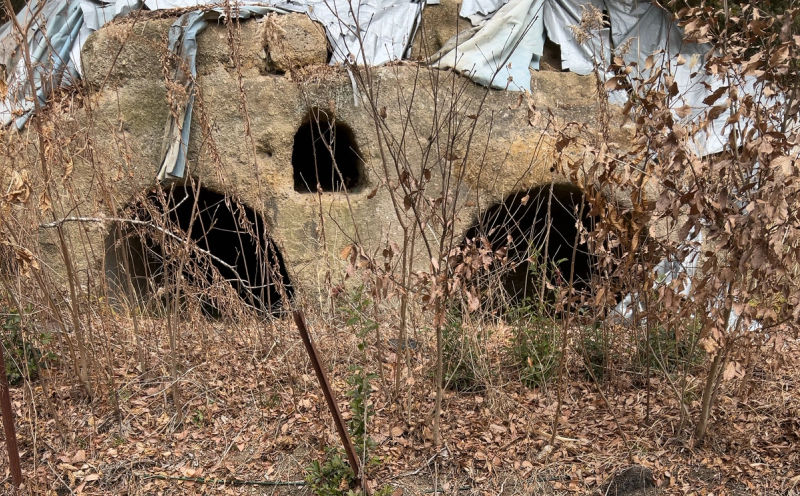
Another site worth noting alongside the Torazuka Kofun is the "Jūgorō Ana Horizontal Tomb Group." This is also a nationally designated historic site, featuring a cluster of horizontal tombs built during the late Kofun period.
A yokohole tomb is a type of burial site created by digging into the slope of a hill. The Jūgorō Hole Yokohole Tomb Group is remarkable for its large number, with hundreds of tombs confirmed to date. The sight of these yokoholes lining the hillside is truly impressive and represents one of the iconic landscapes of Japan's ancient burial culture.
These graves provide important clues about the social structure, beliefs, and family dynamics of the people who lived in this area during that time. Research is also being conducted on trade and technological levels based on the pottery and ornaments discovered as grave goods.
While there may not be flashy attractions as a tourist destination, walking through the ancient burial mounds spread across the quiet hills offers a unique experience that you won't find in urban tourism. Surrounded by the sounds of the wind and the beauty of nature, you can reflect on the lives of people from about 1,400 years ago.
Experience Japan's ancient history up close in Hitachinaka!
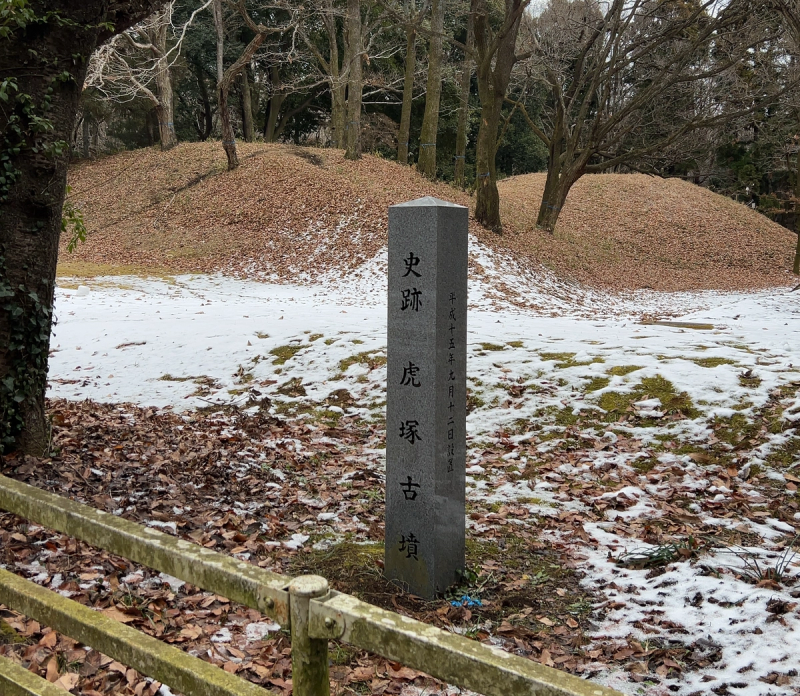
Unlike the famous historical sites in Tokyo and Kyoto, the historical landmarks in Hitachinaka City are rarely crowded with tourists, allowing for a more peaceful visit. This is what makes it so appealing—you can take your time and immerse yourself in the atmosphere of ancient times.
After gaining foundational knowledge at the Archaeological Center, take a walk to explore the Torazuka Kofun and the Jūgorōana Horizontal Tomb Group. By visiting in this order, you can connect the artifacts you saw in the exhibits with the actual historical sites, deepening your understanding even further.
Japan's history is not just about magnificent castles and temples. The ancient burial mounds and horizontal tombs found in rural areas truly convey the authentic aspects of ancient society. The Hitachinaka City Archaeological Research Center and its surrounding historical sites are invaluable places where you can gain a more three-dimensional understanding of Japan's ancient culture.
When you visit Hitachinaka, be sure to experience the world of nationally designated historic sites. You'll find a quiet and profound journey into Japan's history that offers something a little different from typical sightseeing.