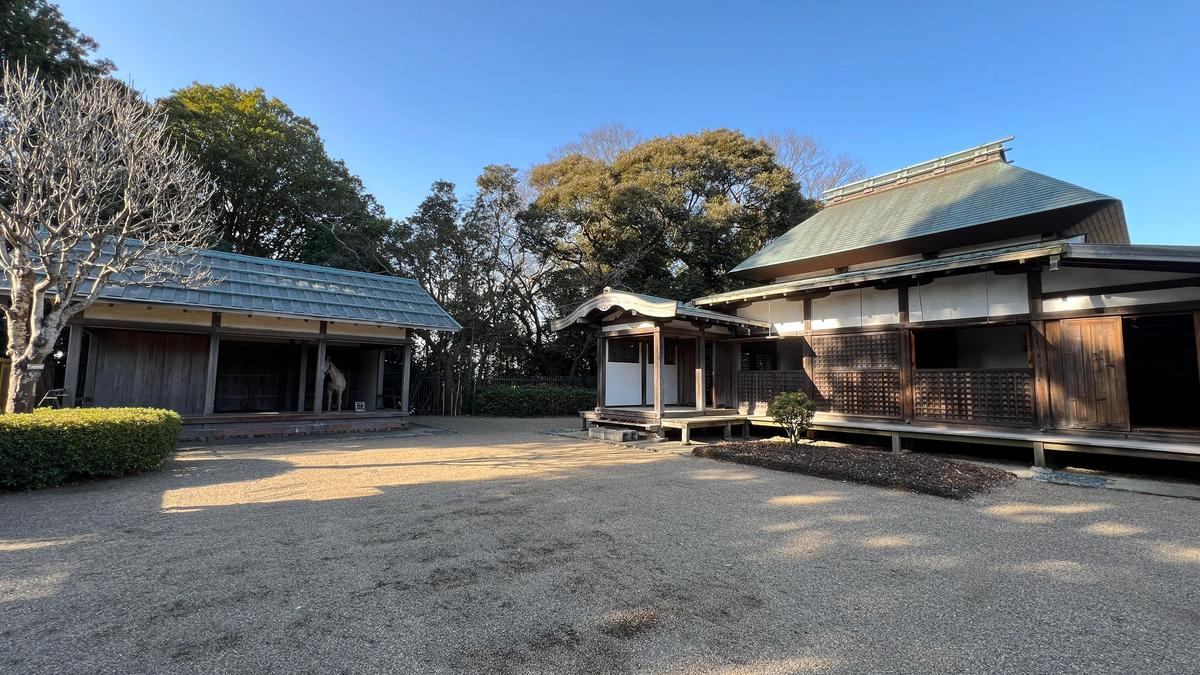
In Hitachinaka City, Ibaraki Prefecture, there is a must-visit spot for history enthusiasts: the Takeda Clan Residence, believed to be the roots of the Takeda family, which was based in Kai Province (present-day Yamanashi Prefecture). While the Takeda clan is well-known for the famous warlord Takeda Shingen, many may not realize that its origins trace back to the Kanto region, specifically in Ibaraki. By visiting this site, you can delve into the foundations of Japan's samurai society and explore the long history of the Takeda clan.
The Deep Connection Between the Takeda Clan and Hitachinaka City
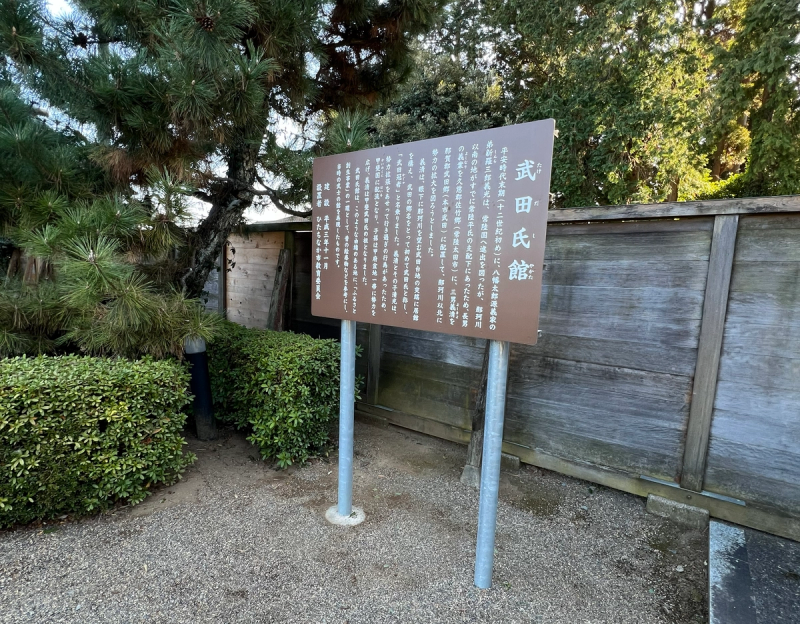
The Takeda clan is known as a prestigious samurai family that traces its lineage back to the Seiwa Genji. It is said that the clan began with Minamoto no Yoshimitsu, who was the son of Minamoto no Yoshikiyo, and his son, Kiyomitsu, settled in this area and adopted the name "Takeda." Today, the Takeda district in Hitachinaka City is recognized as the birthplace of the Takeda clan, and the very name of the area carries this rich history into the present.
What kind of place is the Takeda Clan Residence?
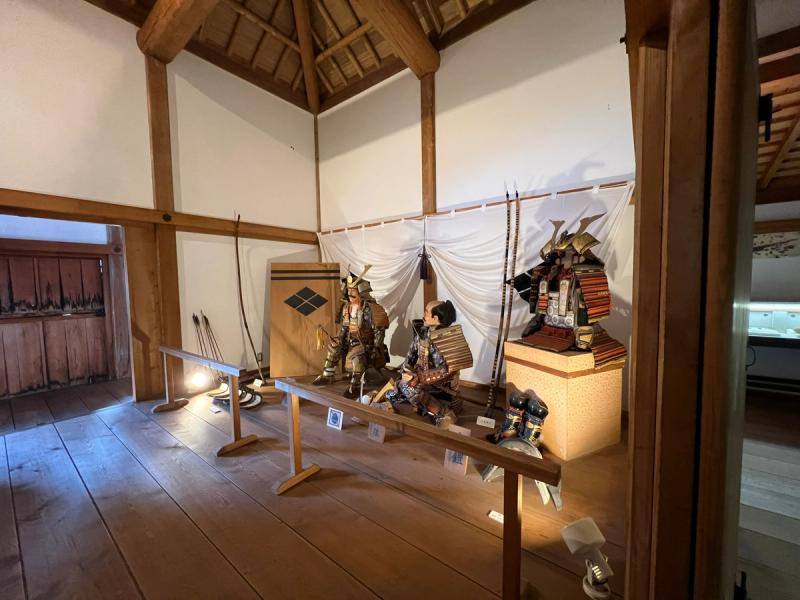
The Takeda Clan Residence is a historical site believed to be the remains of the early residence of the Takeda clan. Although the original buildings no longer exist, a reconstructed structure based on illustrations has been established as a museum. Here, you can imagine what life was like for medieval warriors and how they defended their territory. Unlike grand castles, the simplicity of this site strongly conveys that this is the "beginning of the Takeda clan."
Imagine the life of samurai before the Sengoku period.
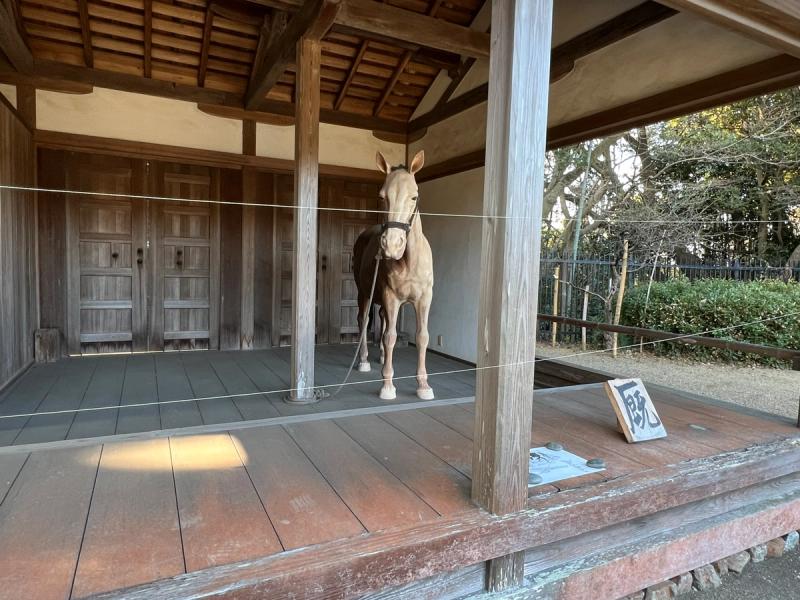
When you think of castles from the Sengoku period, many people imagine tall stone walls and impressive donjons. However, the Takeda Clan Residence offers a glimpse into the homes of samurai from an earlier era. Here, you can learn about the defensive strategies that utilized the natural terrain and the lifestyle that coexisted with the surrounding land, providing insight into how Japanese warrior culture was shaped. For international tourists, this is a valuable opportunity to discover a different historical aspect of Japan, one that contrasts with the common image of "castle = donjon."
Experience Japan's history at tranquil historical sites.
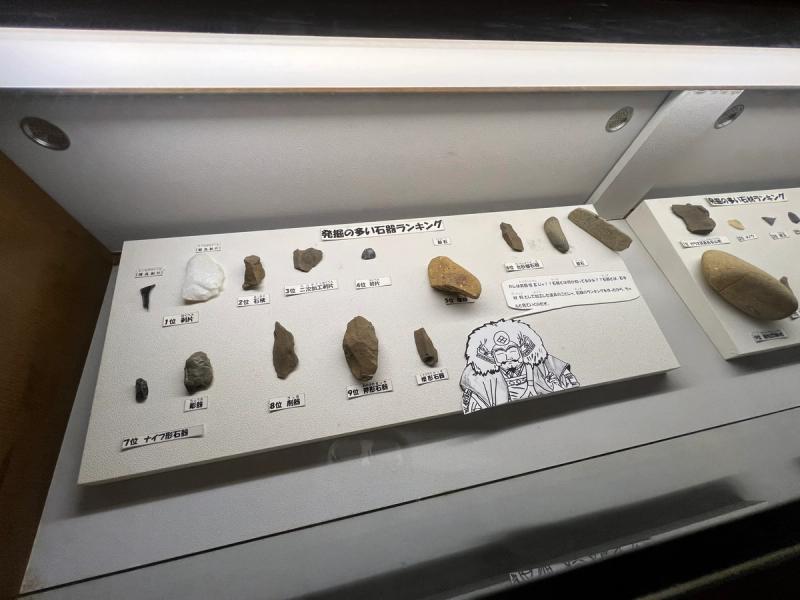
The Takeda Clan Residence is not heavily developed as a tourist destination, which means that fewer visitors come here, allowing you to immerse yourself in history in a peaceful environment. Surrounded by serene landscapes, you can take a stroll and imagine that the samurai of that time may have gazed upon similar views. This experience brings you closer to Japan's rich history.
A Long History Connected to Takeda Shingen
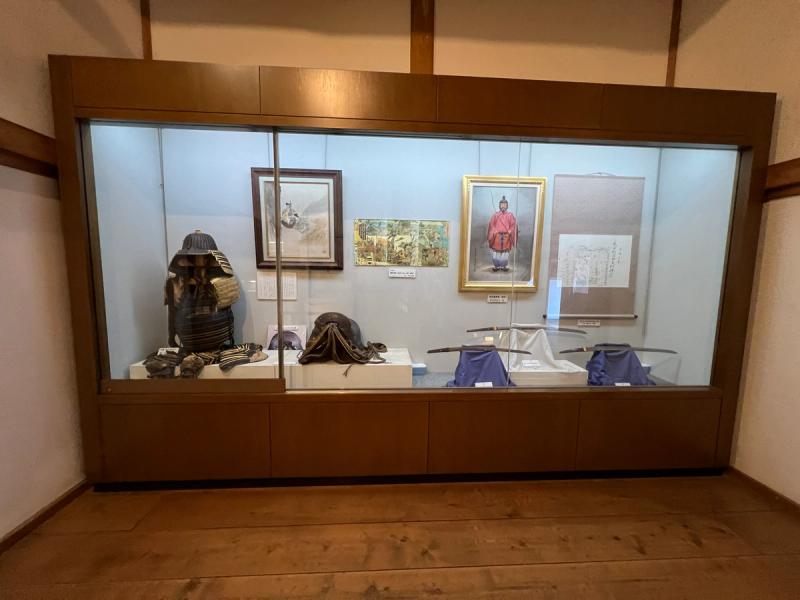
The Takeda clan, which originated from Hitachinaka, later moved its base to Kai Province and produced the renowned warlord Takeda Shingen during the Sengoku period. Shingen's military and political prowess is recognized worldwide, but it is supported by a rich history that has been built over generations by the Takeda clan. Visiting the Takeda clan's residence allows you to not only learn about Shingen but also to explore the history that preceded him.
Reasons to Recommend Hitachinaka City to International Tourists
The Takeda Clan Residence is a recommended spot for overseas travelers who want to delve deeper into Japanese history. Unlike famous castles or museums, this place may seem "empty," which allows you to enjoy the fun of imagining and contemplating. You will be able to experience firsthand how Japan's samurai culture began and evolved right at the site.
A Journey to Explore the Origins of the Takeda Clan
The Takeda Clan Residence, located in Takeda, Hitachinaka City, is a valuable historical site where you can learn about Japan before the Sengoku period and the origins of the Takeda clan. For international tourists interested in Japanese history, the experience here offers a tangible learning opportunity that goes beyond what books and videos can provide. When you visit Ibaraki, be sure to stop by this site and stand where the history of the Takeda clan began.