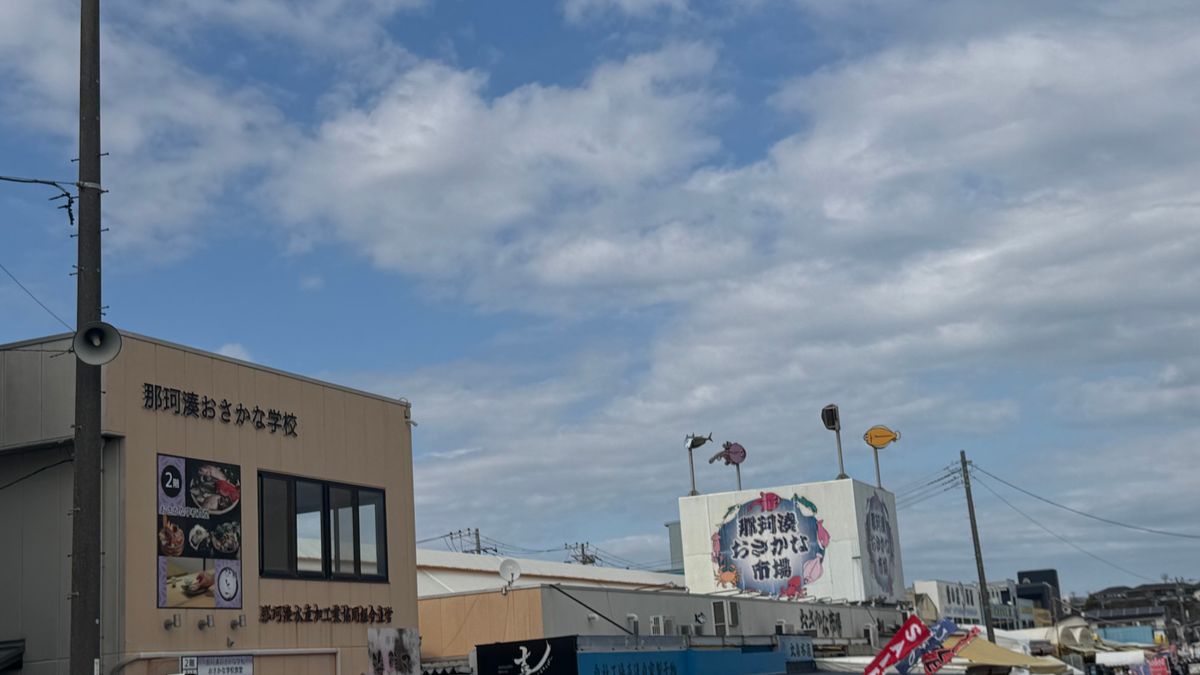
After finishing your bowl of freshly caught seafood rice, you’ll realize it’s only 1:00 PM. Since you’ve made the trip all the way to Hitachinaka, you’ll want to make a stop or two along the way.
In this article, we’ll introduce spots within walking distance or a 20-minute drive from the Fish Market, organized into six themes: “Days You Want to See Stunning Views,” “Days You’re Visiting with Kids,” “Rainy Days,” “Days to Trace History,” “Desserts and Local Produce After a Meal,” and “Exploring the Port Town on a Retro Train.” We’ve also included half-day and full-day itinerary suggestions at the end of the article. You’re sure to find a stopover that suits your mood today.
Theme 1: Days You Want to See Stunning Views
The sea, the sky, and the torii gate—the Hitachinaka and Oarai area is a rare place where Instagram-worthy scenic views are concentrated within a 10-kilometer radius. You can even plan an ambitious itinerary that takes you to three different spots, starting with lunch at the Fish Market and continuing until sunset.
Oarai Isosaki Shrine (10 min by car) — The Kamiso Torii Standing in the Sea
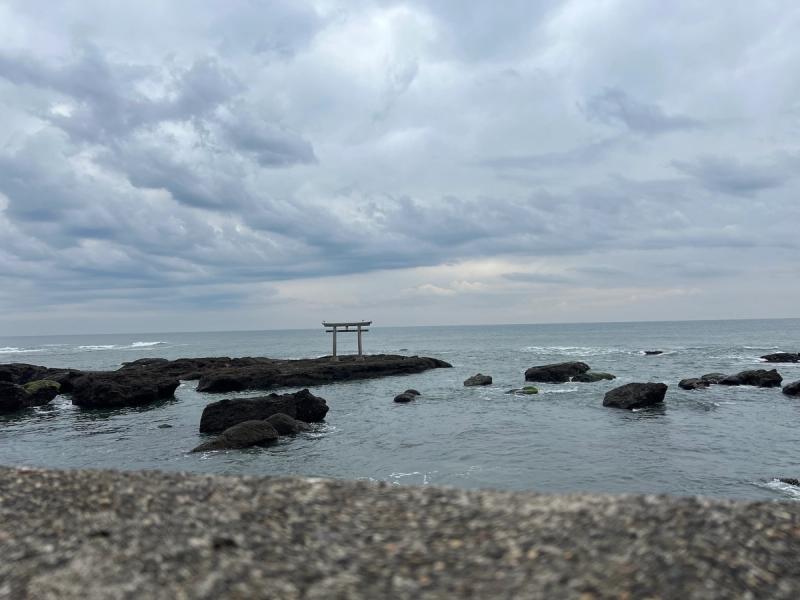
Cross the Naka River and drive about 10 minutes; head slightly south along the coastline to reach “Oarai Isosaki Shrine .” Standing atop a rocky reef washed by rough waves, the “Kamiso Torii” is particularly majestic at sunrise and bustles with photography enthusiasts aiming to capture the scene on a clear early morning. If you visit during the day, the changing position of the sun casts the torii as a silhouette, allowing you to enjoy backlit compositions.
The main hall is situated on a hilltop reached by climbing steep stone steps, and when you turn around, a breathtaking view of the Pacific Ocean spreads out before you. Since it’s just across the bridge from the fish market, it’s easy to incorporate into your itinerary as a standard stop after visiting the market.
Sakatsura Isosaki Shrine (15 min by car) — A tunnel of 300-year-old trees
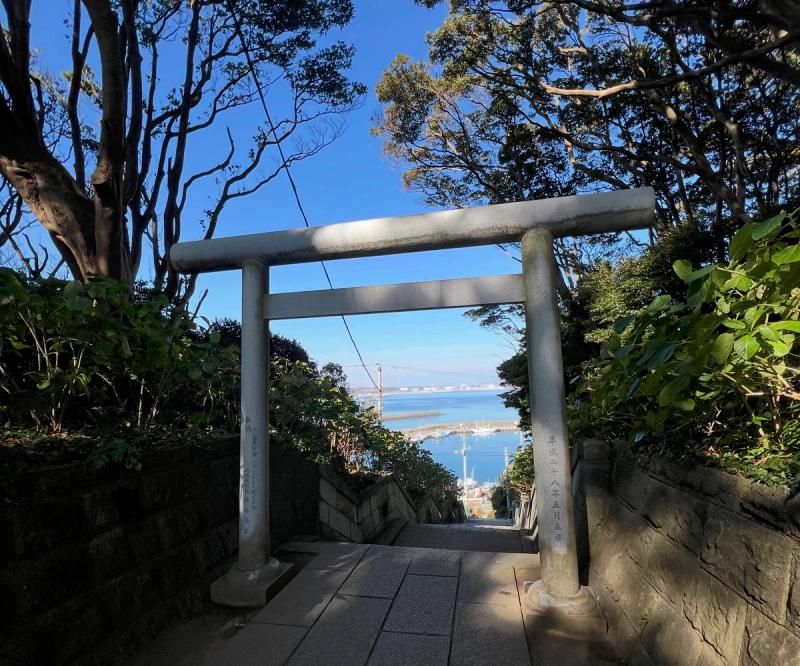
Pairing with Oarai Isosaki Shrine is Sakatsura Isosaki Shrine in Isozaki Town (Hitachinaka City). The approach path is a cool, green tunnel formed by 300-year-old tabunoki and yabunikkei trees arching overhead. Even in the height of summer, the shade remains refreshingly cool, making it a spot where simply walking through feels like a photo opportunity.
There is also a statue of the “Lucky Turtle,” famous for prayers for winning the lottery jackpot, making it a popular power spot for improving one’s financial fortune. This area is popular with many visitors who make a pilgrimage to both shrines, Oarai Isosaki Shrine and Sakatsura Isosaki Shrine, together.
Oarai Marine Tower (10 min by car) — 360-degree views of the Pacific Ocean from 60 meters up
The Oarai Marine Tower, a landmark of Oarai Port, is an observation tower offering a 360-degree view of the Pacific Ocean from its 60-meter-high observation deck. On clear days, you can even see as far as Mount Fuji and the Nikko mountain range. Admission is reasonably priced at 340 yen for adults, making it a great spot to quickly visit just to enjoy the spectacular views.
Hours are 9:00 AM to 9:00 PM (until 6:00 PM from September to February). At night, the tower becomes a popular spot for night views, with the harbor lights reflecting beautifully on the sea. The second floor houses the official café for the anime “Girls und Panzer,” making it a well-known pilgrimage site for fans.
Theme 2: A Day Out with Kids
Don’t worry if your kids say they’re “bored” after a seafood lunch. From a stroll through the harbor town within walking distance to a large theme park just a 20-minute drive away, there are plenty of play options to choose from depending on their age.
Aqua World Oarai (10-minute drive) — Home to the Largest Shark Collection in Japan
Aqua World Oarai, one of the largest aquariums in the Kanto region, boasts the largest number of shark species in Japan. With approximately 580 species and 68,000 marine creatures on display, the giant tanks and dolphin and sea lion shows will captivate both adults and children alike. Given its size, you’ll want to plan on spending at least 2–3 hours here.
If you plan to visit both here and Hitachi Seaside Park in a single day, using the limited-time advance ticket set sold in spring at Nemophila offers significant savings. If visiting this aquarium alone, a same-day ticket is sufficient.
Hitachi Seaside Park (20 min by car) — Spectacular Views of Nemophila and Kochia
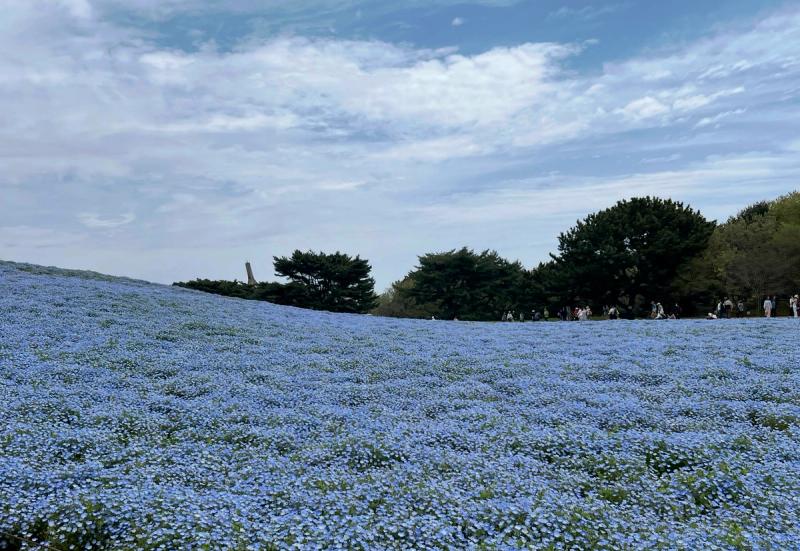
The vast 215-hectare Hitachi Seaside Park is famous for its twice-yearly peak scenic seasons: Nemophila in spring (mid-April to early May) and Kochia in autumn (mid-October). The park also features cycling paths and the “Pleasure Garden” amusement park, so you can easily spend half a day here even when the flowers aren’t in bloom.
Since the park is quite large, we recommend renting bicycles or using the park shuttle (Seaside Train) if you are visiting with young children who may not have the stamina to walk the entire way.
Ajigaura Beach (15 min by car, summer only) — A 1.2 km Shallow Beach
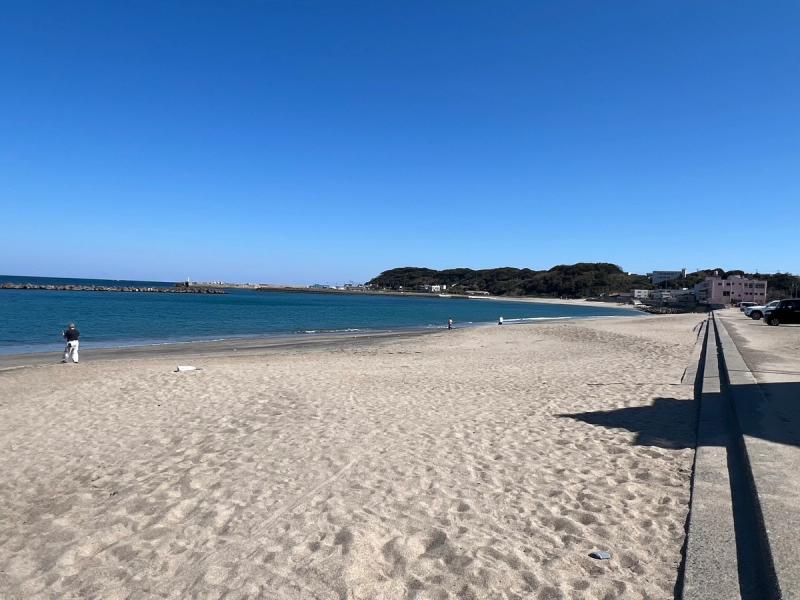
Open for only about one month from mid-July to late August, the “Ajigaura Beach” features a sandy shore that curves for approximately 1.2 km and a gently sloping shoreline. It is one of the largest beaches in the Ibaraki Prefecture area and bustles with families during summer vacation.
It is easily accessible by train, located just a 5-minute walk from the Ajigaura Station on the Hitachinaka Kaihin Railway Minato Line. By car, it is a 5-minute drive from the Hitachi Seaside Park IC on the Hitachi-Naka Expressway. Since the operating period varies by year, please check the latest information from the Hitachinaka City Tourism Association before visiting.
Theme 3: Indoor Spots You Can Enjoy Even on Rainy Days
Even if the forecast is wrong and it rains, the three spots introduced here are mostly indoors. Whether you’re with children or just adults, you can spend half a day here without being affected by the weather.
Aqua World Oarai (10 min by car) — The Top Choice for Rainy Days
This aquarium, which we also introduced in Theme 2, is a spot that truly shines on rainy days. The entire facility is indoors, and the dolphin show seating area is covered. The distance from the parking lot to the entrance is short, so you can arrive without getting wet. It tends to get a bit crowded on rainy weekends, so we recommend visiting in the morning.
Mentaiko Park Oarai (10-minute drive) — A Free Mentaiko Theme Park
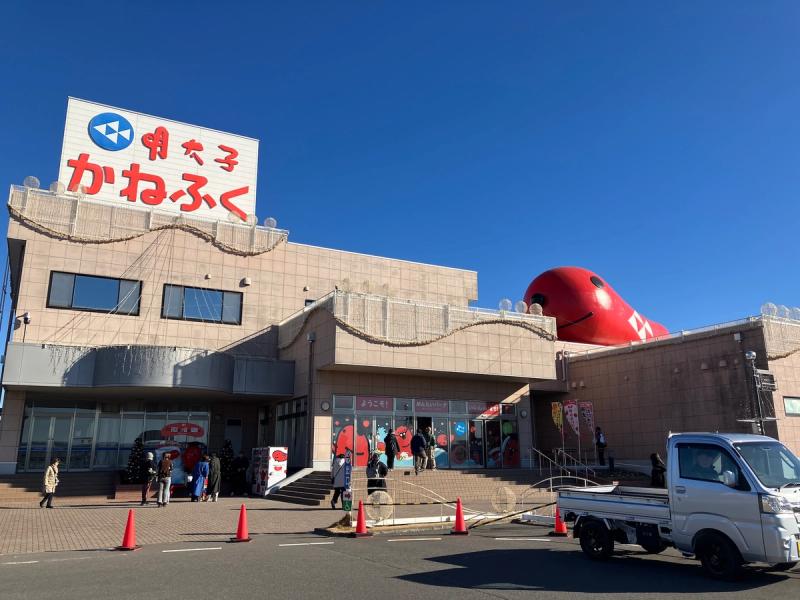
Operated by Kanefuku, “Mentaiko Park Oarai ” is a free theme park where you can watch the mentaiko production process through glass. With a direct sales corner for freshly made mentaiko and a wide variety of limited-edition treats like mentaiko rice balls and soft-serve ice cream, you can easily enjoy a quick visit in just an hour.
It’s a popular routine to pick up mentaiko here as a souvenir after buying seafood at the market.
Hitachinaka City Center for the Investigation of Buried Cultural Properties (15 min by car) — Replicas of the Murals from the Torazuka Kofun
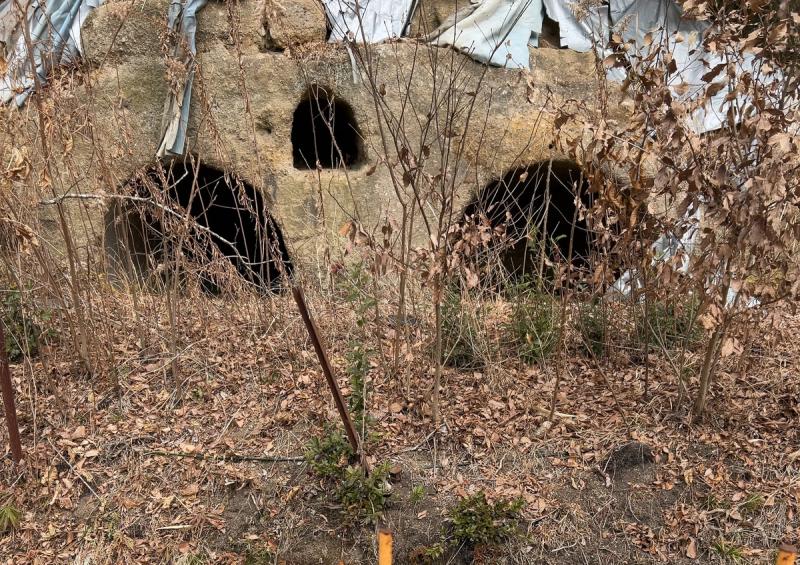
A hidden gem for rainy days is the “Hitachinaka City Buried Cultural Properties Research Center.” Here, you can view life-size replicas of the vividly colored murals from the nationally designated historic site “Torazuka Kofun,” which is normally closed to the public. With free admission and indoor exhibits only, it’s a quiet, off-the-beaten-path spot perfect for history-loving adults and children working on school projects.
Theme 4: A Day Tracing History
Nakaminato is also the site where the Mito Domain conducted experiments in modernization during the late Edo period. Within walking distance of the market, there are two historical sites from the late Edo period, and within a 15-minute drive, there is a historic site associated with the Kai Takeda clan. For history buffs, this single theme alone can easily fill half a day.
Nakaminato Reflecting Furnace Ruins (10–15 min walk) — Mito Domain’s Cannon Foundry
Located within Azumagaoka Park, the “Nakaminato Remains of the Reflecting Furnace” are the ruins of a cannon foundry built in 1857 (Ansei 4) by order of Tokugawa Nariaki, the 9th lord of the Mito Domain.It was destroyed during the unrest of Genji 1 (1864) and restored in Showa 12 (1937). The brick-built furnace is impressive in scale, allowing visitors to feel firsthand the fervor surrounding the introduction of Western technology during the late Edo period.
Admission is free and open year-round. It is about a 10- to 15-minute walk from the Fish Market. If you’re driving, there is parking for five cars. Located on a small hill, the view overlooking the city and the harbor is a nice bonus.
Minato Park (5–10 min walk) — The Black Pine Garden associated with Tokugawa Mitsukuni
Minato Park, just a short walk from the Fish Market, stands on the site of “Ihinkaku,” a villa built in 1698 by Tokugawa Mitsukuni (Mito Komon), the second lord of the Mito Domain.Twelve black pine trees, said to be over 300 years old and brought here by Mitsukuni from Suma Akashi (Hyogo Prefecture), still stand majestically with their branches spread wide.
The location, overlooking the mouth of the Naka River and the harbor from a hilltop, is magnificent. If you include it in your early morning walk, you can enjoy the quiet hours before the market opens.
Takeda Clan Residence (15 min by car) — The birthplace of the Kai Takeda clan
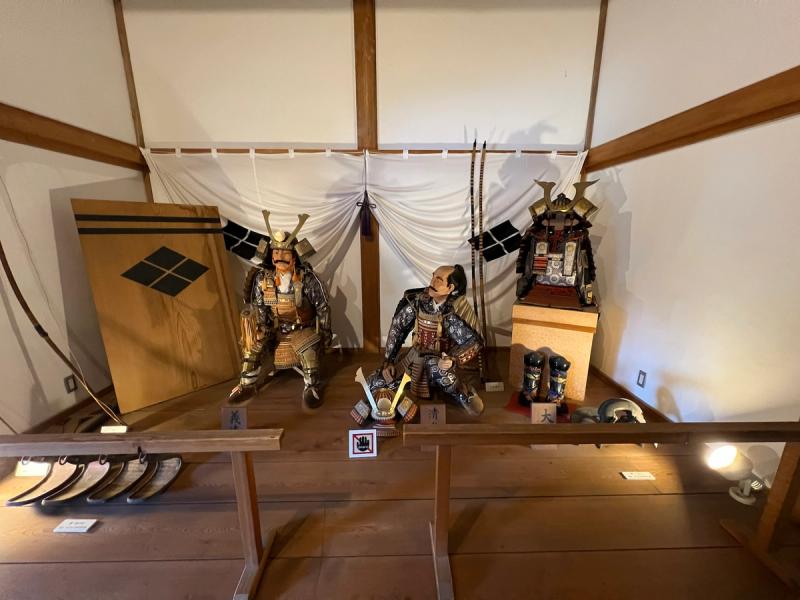
Hitachinaka City Located in the Takeda district, the “Takeda Clan Residence” is a historic site that tells the story of how the Kai Takeda clan—hailed as the strongest in the Warring States period—traced its roots back to Takeda Village in Hitachi Province. Inside the residence, you can view a genealogy exhibition tracing the lineage back to Takeda Shingen and even try on armor (reservations required). This spot is highly recommended for those eager to explore everything from late Edo period history all the way back to the Middle Ages.
Theme 5: Desserts and Farm-to-Table Shopping After a Meal
Hitachinaka City is Japan’s top producer of Hoshi-imo (dried sweet potato). After indulging in seafood, the perfect way to wrap up your visit is to buy local sweets and farm-fresh vegetables to take home.
Hoshiimo Shrine (15-minute drive) — A photo spot lined with golden torii gates
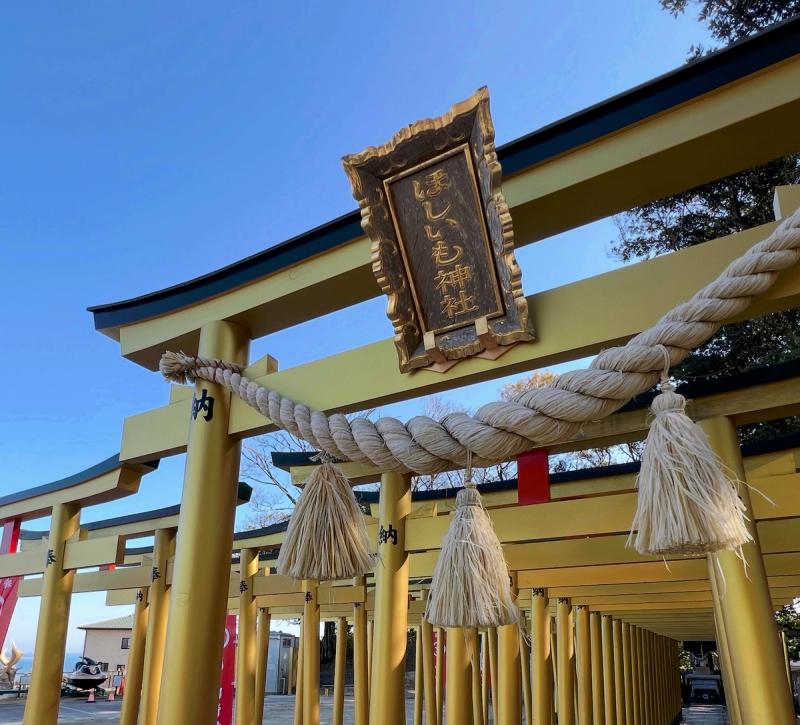
Located within the grounds of Hor ide Shrine in Ajigaura, Hoshiimo Shrine is a new power spot established in 2019. It instantly became a hot topic thanks to its striking visual of golden torii gates lined up in a row. In keeping with its unique blessing—that “you will get what you desire”—most visitors buy Hoshi-imo (dried sweet potato) as a souvenir after paying their respects.
Kokosuna (10-minute drive) — A farmers’ market for local vegetables and Hoshi-imo (dried sweet potato)
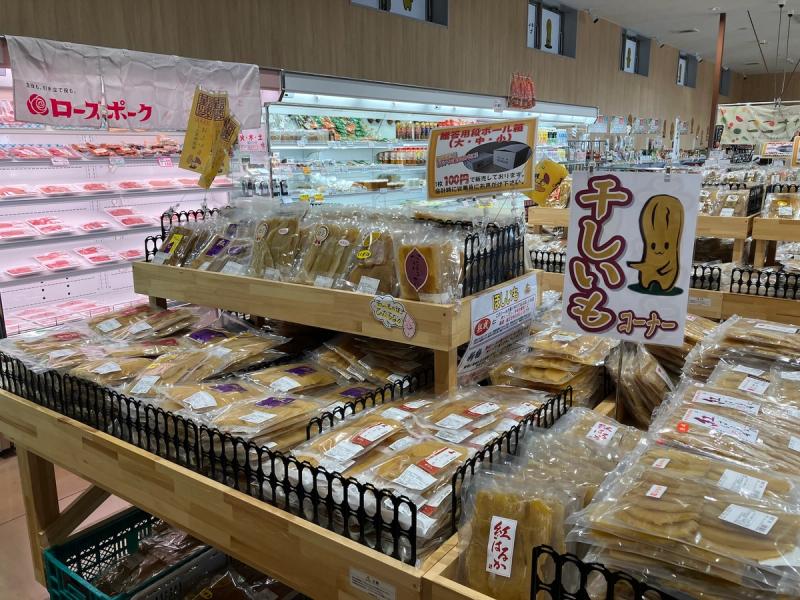
For those who want to buy Hoshi-imo (dried sweet potato) and fresh vegetables at authentic local prices rather than tourist prices, we recommend " Kokosuna ." This farmers' market in the Nagasuna area features morning-harvested vegetables and Hoshi-imo (dried sweet potato) delivered directly from local farmers. It’s a spot that appeals to connoisseurs—perfect for those who aren’t looking for the typical tourist experience.
Theme 6: Exploring the Port Town by Retro Train
On days when you don’t have a car or aren’t driving, it’s time to hop on the Hitachinaka Kaihin Railway Minato Line. Since Nakaminato Station is only about a 15-minute walk from the market, many travelers stop by while they’re out and about.
Hitachinaka Kaihin Railway Minato Line (15-minute walk to Nakaminato Station)
The Minato Line, connecting Katsuta to Ajigaura over a distance of 14.3 km, is a local line with over 100 years of history. The Nakaminato station building, which opened in 1913 (Taisho 2), is a Registered Tangible Cultural Property, making the station itself a tourist attraction. Strolling through the port town while listening to the sound of the diesel trains offers a leisurely pace that you simply can’t experience when traveling by car.
A recent hot topic is the commemorative ticket released to mark the debut of the new "Kiha 100" diesel train. It’s perfect not only for railway enthusiasts but also as a convenient way to explore the area along the line.
For those who want to tour the Minato Line—from Nakaminato Station to Hoshiimo Shrine (Ajigaura Station) to Ajigaura Beach— the one-day unlimited ride pass , available for purchase on your smartphone, is convenient. It allows you to hop on and off as you please without waiting in line for tickets, and it’s a great value plan that also includes admission to Hitachi Seaside Park.
Model Itinerary: Half-Day Course (4–5 hours)
This is a “History + Scenic Views” course focused on walking, designed for a rich and immersive experience.
10:30 Morning stroll in Minato Park → Warm up with views of the black pine trees and the Naka River.
11:30 Lunch at the Fish Market → Arrive right after opening to avoid long lines. Enjoy seafood bowls and grilled seafood.
1:30 PM Nakaminato Remains of the Reflecting Furnace → A 10–15-minute walk to experience the atmosphere of the Mito Domain during the Bakumatsu period.
2:30 PM Oarai Isosaki Shrine + Oarai Marine Tower → A 10-minute drive. Pay your respects at the torii gate at Kamiiso, take in the panoramic view of the Pacific Ocean from the tower, then head home.
Model Itinerary: 1-Day Course (Morning to Evening)
This classic itinerary starts early with sunrise and packs in stunning scenery, gourmet food, and flowers—the ultimate experience.
5:30 Sunrise at Oarai Isosaki Shrine → Watch the sun rise from the torii gate at Kamiiso. Sunrise times are around 4:00 a.m. in summer and around 6:00 a.m. in winter.
8:00 AM: Take a nap at the hotel or in the car → Save breakfast for when you get to the market.
10:00 Seafood lunch at the Fish Market → Arrive early to avoid the lines.
12:00 Hitachi Seaside Park → If it’s the season for Nemophila or Kochia, have a main dish. In other seasons, go cycling.
3:00 PM Hoshiimo Shrine + Farmers’ Market → Take photos and buy souvenirs all at once.
5:00 PM Sakatsura Isosaki Shrine → Wrap up the day by passing through the tree-lined tunnel in the evening.
Access and Parking Tips
The parking situation at the Fish Market, which serves as the starting point for exploring the area, gets extremely crowded on weekends and holidays. We’ve prepared a separate parking guide that includes reservation-only lots and hidden free parking spots. If you’re visiting during Golden Week or summer vacation, it’s a good idea to check this guide in advance.
If you’re exploring the area without a car, we recommend combining the Hitachinaka Kaihin Railway Minato Line with walking. The market, the remnant of the reverberatory furnace, and Minato Park are all within walking distance of Nakaminato Station, and you can easily extend your trip all the way to Ajigaura by train.